

Unfortunately, when most people think of history, their memory is overcrowded with dates and facts that don’t always feel meaningful. Many students associate history with textbooks and long chapters, but I believe this mindset can change if we look beyond the printed page.
History can be a really powerful lesson when someone becomes immersed in it, and few settings create that experience better than theater — especially musicals.
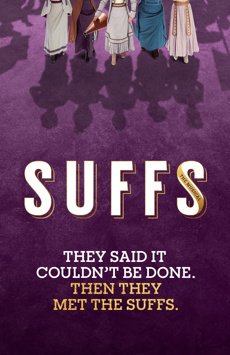
Two musicals have changed the way I, personally, embrace history. One is “Suffs,” which is currently touring. The other is a classic: “She Loves Me.” These musicals tell stories about different time periods, but what makes them so memorable is the raw and emotional connection they create with their audiences.
“Suffs” is a powerful reminder of how women’s rights were obtained during the American suffrage movement. It shows the frustration, agitation, systemic discrimination, and sacrifices that had to be made to achieve the rights that often get taken for granted today.
The music made the message stick: I vividly remember Alice Paul leading protests, Ida Wells exposing mob killings through journalism, Inez Millohand riding white horses to marches, and President Woodrow Wilson symbolizing the state’s reaction to grassroots activism. All of these figures are incredibly important to the suffrage movement; however, I do not think I would be able to list them so easily had I not experienced “Suffs.”
“She Loves Me” is a romantic musical comedy set in pre-World War II Budapest, Hungary. This musical was just as powerful as “Suffs,” in my opinion. I’ve always been interested in the political tension and economic struggle leading up to the war, but the musical helped me understand how those changes affected everyday people. What made this musical especially impactful was that I unintentionally absorbed the history through the details: the costumes, the set design, and the props.
I loved that I did not have to consciously study what was going on while watching this musical; rather, I internalized the time period by watching how everyone dressed and carried themselves. The show reveals the economic instability of the time: we see the characters struggling with job security and financial pressure, which helped me understand what life really felt like before the war.
Studies show that people remember information much better when it is associated with emotion and storytelling, especially through music and performance. In one peer-reviewed study conducted by the University of Missouri and Texas A&M University, it was shown that students who were taught history through theater programs showed larger increases in knowledge, enthusiasm, and empathy about history.
Empathy is key — it is difficult for us to appreciate historical figures without emotionally connecting to their struggles. Theater allows audience members to step into another world and see things from someone else’s perspective.
Musicals are also more accessible for students who struggle with lecture-heavy content. As visual and auditory learning becomes more common, a three-minute song can communicate social tension and underlying struggles more memorably than pages of written notes.
If theater improves historical understanding and engagement, then it deserves a more visible role in general education. Encouraging students to take theater courses beyond their major not only enhances cultural literacy but also real-world, transferable skills such as communication, confidence, and collaboration.
There is access to theater all over the Saginaw Bay region. For example, we have Midland Center for the Arts and the Temple Theater, which both regularly host Broadway shows, concerts, and community productions. Their tickets usually start around $23.50. While still an investment for college students, this pricing makes occasional participation attainable.
Consider attending a show with friends this year. It could be both a memorable night out and a lesson in history, culture, and identity.
